Key takeaways
- A loyalty program rewards repeat visits so guests have one more reason to choose you again.
- Points, stamps and tiers each fit different restaurants: stamps for simple cafés, points for varied menus, tiers for frequent diners.
- Keep rules simple enough to explain in one sentence, and make the first reward reachable quickly.
- Connect the program to your POS so points are earned automatically, and measure repeat visits, not sign-ups.
What a loyalty program is for
A loyalty program has one job: to turn a first visit into a second and a third. It does not replace good food, service or location, but it gives a guest a small, friendly reason to choose you over the place next door. Done well, it also gives you something valuable: a record of who comes back, how often and what they order, which helps you plan offers without guessing.
Three common designs
| Design | How it works | Best for | Watch out for |
|---|---|---|---|
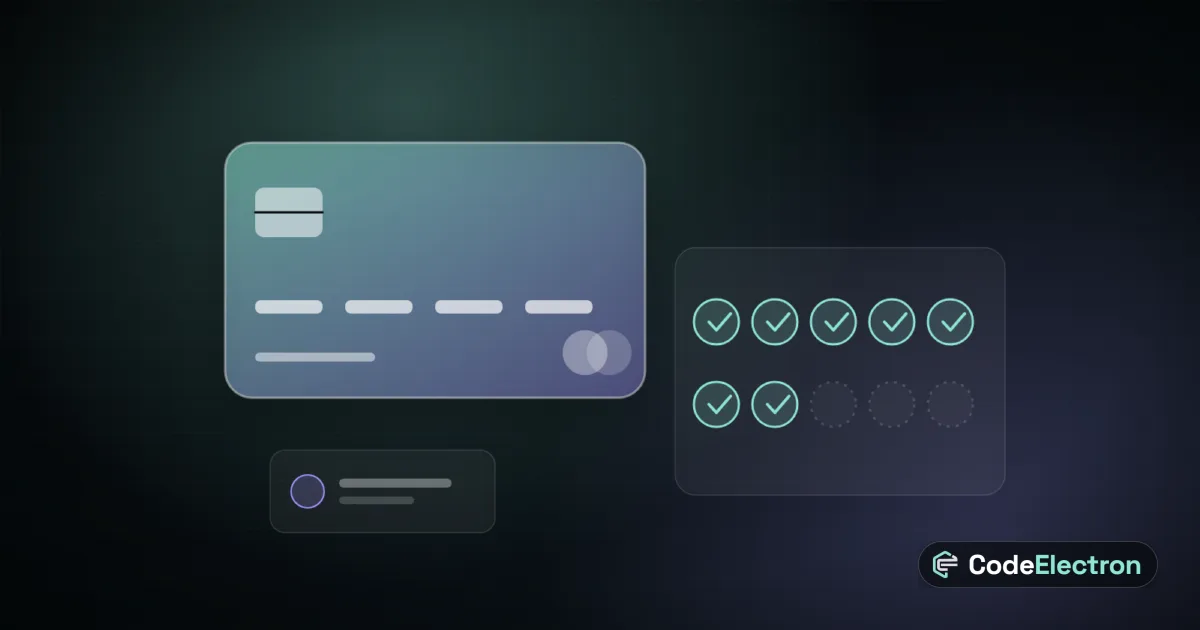
| Stamps | Buy a set number of items and get one free | Cafés, bakeries, single-item habits | Paper cards get lost; digital stamps fix this |
| Points | Earn points per amount spent and redeem for rewards | Varied menus and larger tickets | Complex maths confuses guests |
| Tiers | Spend more to unlock better benefits | Frequent diners and delivery regulars | Too many tiers feel like homework |
Rules that keep it simple
- Explain it in one sentence: “Buy nine, get the tenth free”.
- Make the first reward reachable in a few visits, so guests feel progress early.
- Set a clear expiry that is fair and visible, or none at all.
- Count dine-in, takeaway and delivery the same way unless you have a reason not to.
- Decide up front how refunds and voids affect points.
Connect it to your POS
A program that depends on staff remembering to stamp a card will fail on a busy night. The best programs run through the POS: the guest gives a phone number or scans a code, points are added when the bill closes and the reward appears automatically as a discount. Ask whether your system links the loyalty record to the bill, supports redemption at the till and works across branches. Our guide to choosing a restaurant POS covers what else to check.
A worked example
A café uses paper stamp cards. Many are lost, some are stamped by habit rather than purchase and nobody knows how many guests return. The owner moves to a phone-number-based digital stamp card tied to the POS: nine drinks earn the tenth free, applied automatically at checkout. After a month the owner can see how many guests came back more than once and which drink brings people back. This is an illustrative scenario, not a client story, but it shows why connecting the program to the bill matters.
How to measure success
- Repeat visit rate: the share of guests who return within a set period.
- Visit frequency of members compared with non-members.
- Average spend per visit for members.
- Reward cost as a share of sales, so generosity stays affordable.
- Redemption rate. Rewards that are never redeemed are not working, and rewards redeemed too easily cost too much.
Next step
Pair loyalty with solid cost control by reading restaurant food cost control, try the free food cost calculator, see our POS and restaurant systems, or talk to us about building a loyalty feature into your system.
Frequently asked questions
Are stamps or points better for a restaurant?
Stamps suit simple, repeat purchases such as coffee. Points suit varied menus and different order sizes. Choose the one you can explain in one sentence.
Do loyalty programs actually increase repeat visits?
They can, when rewards are reachable and easy to use. Measure repeat visit rate before and after rather than assuming, and watch the cost of rewards against your margin.
What do I need to run a digital loyalty program?
A way to identify guests, such as a phone number, a POS that links the bill to their record, and clear redemption rules. Many programs also add a simple mobile page or app.