Key takeaways
- Debit cards issued by Saudi banks run on mada, the national network, so a store selling to Saudi customers needs a provider that supports mada, not only Visa and Mastercard.
- Offer what Saudi shoppers use: mada, Apple Pay and credit cards first, then pay-later and cash on delivery where they fit your customers.
- Check that the provider is licensed by the Saudi Central Bank (SAMA), and ask about onboarding documents, fees, settlement, refunds and Arabic support in writing.
- The gateway takes the money; it does not issue your tax invoice. E-invoicing is handled by your store, ERP or accounting system.
What a payment gateway does
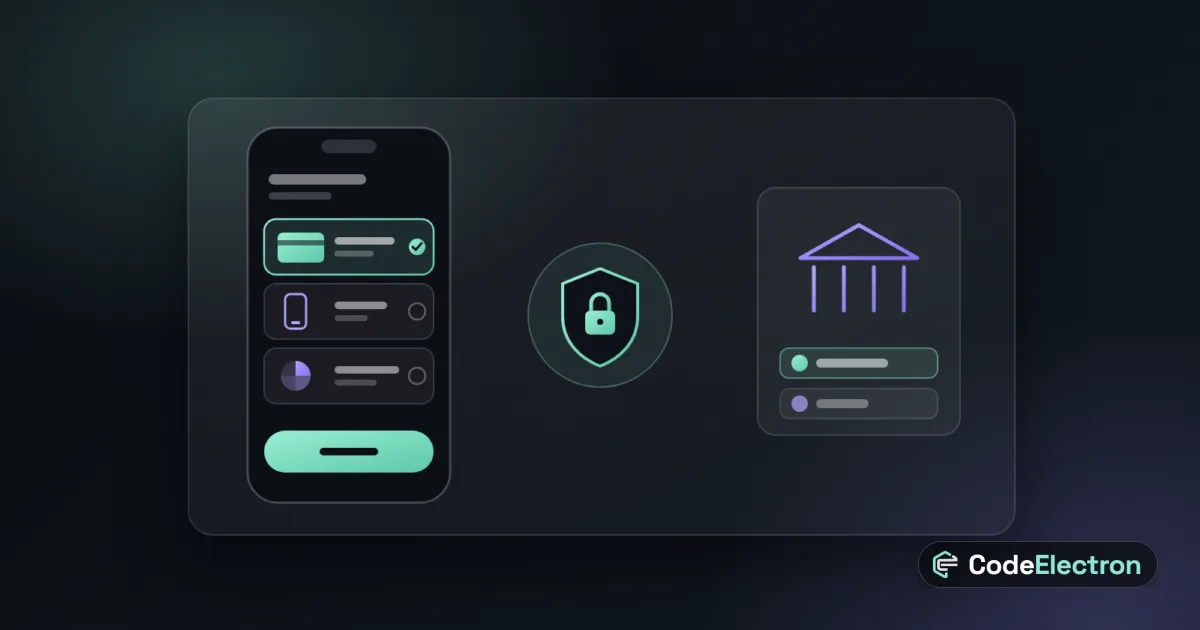
A payment gateway sits between your store or app and the payment networks. When a shopper pays, it collects the card or wallet details securely, asks for approval, tells your store the result and later settles the money to your bank account. In Saudi Arabia there is one detail that changes the choice: debit cards issued by Saudi banks run on mada, the national payment network. A provider that only handles Visa and Mastercard can leave many shoppers unable to pay with their everyday card.
The methods Saudi shoppers expect
- mada cards: the debit cards of Saudi banks. Make sure mada works on your website and inside your app, not only on paper.
- Apple Pay: many shoppers pay with their phone, often with a mada card behind it. mada through Apple Pay works for payments made inside Saudi Arabia.
- Credit cards: Visa and Mastercard, still needed for credit card holders and for customers paying with cards issued abroad.
- Pay later: providers such as Tabby and Tamara, both licensed by SAMA, split a purchase into instalments. They usually come with their own merchant agreement, fees and integration.
- Cash on delivery: still expected by some customers and in some areas, with the cost of failed deliveries, cash handling and slower cash flow.
- Bank transfer and other wallets: useful for some customers, but check how each one is confirmed and reconciled before you offer it.
Questions to ask every provider
| Area | What to ask |
|---|---|
| Licensing | Is the provider, or the local partner that processes your payments, licensed by SAMA? SAMA publishes the list of licensed payment companies on its website. |
| mada | Do you support mada on the web and in apps, including through Apple Pay? Do you process mada yourselves, or do I need a separate contract with a Saudi acquiring bank? |
| Apple Pay | Do you handle the Apple Pay setup for my website and my app, and which card networks can be used through it? |
| Onboarding | Which documents do you need, such as a Saudi commercial registration and a local bank account? Can a company registered outside the Kingdom sign up? |
| Fees | What is charged per transaction for mada, credit cards and Apple Pay, per refund and per month? Are there setup fees or minimums? |
| Settlement | How long until the money reaches my account, in which currency, and how are fees deducted? |
| Refunds and disputes | Do full and partial refunds work on mada cards? How are chargebacks handled, and how quickly? |
| Security | Do you offer a hosted payment page or tokens so card numbers never touch my server? Is 3-D Secure supported? |
| Integration | Is there a test environment, clear API documentation and a plugin for my platform? Do you send server-to-server confirmations when a payment succeeds? |
| Support | Is support available in Arabic, and how fast do you respond during my busiest hours? |
We do not quote fees or settlement times here because they change and differ by provider and by business. Ask each provider for current terms in writing and compare them side by side.
If your store runs on Salla or Zid
Store platforms such as Salla and Zid come with payment options you can switch on, so many stores never integrate a gateway themselves. A custom store or an app connects to a provider directly, which gives you more control over the checkout and more to get right. If you are weighing the move, see Salla, Zid or a custom store.
Payments and e-invoices are separate
The gateway takes the money; it does not issue your tax invoice. In Saudi Arabia, e-invoicing rules apply to the invoices your business issues, so your store, ERP or accounting system has to produce them. Confirm what applies to your business with your accountant and the official ZATCA guidance before launch.
Integration checklist
- Test in the provider’s test environment: a successful payment, a declined card, a cancelled payment, a timeout, a mada card, Apple Pay and a refund.
- Mark an order as paid only when the server-to-server confirmation arrives, not when the shopper’s browser comes back. Shoppers close tabs.
- Make each payment request safe to retry, so a slow network cannot charge the same order twice.
- Never store card numbers on your own server. Use the hosted page, hosted fields or tokens.
- Log every gateway response with the order number, so support can answer “was I charged?” in a minute.
- Show clear Arabic messages when a payment fails, and let the shopper retry or choose another method.
- Reconcile every day: orders against settlements, refunds and fees.
A worked example
A shop in Riyadh sells through Instagram messages and bank transfers, and moves to its own online store. It chooses a provider that supports mada, Apple Pay and credit cards, adds a pay-later option for larger baskets and keeps cash on delivery only in the areas where customers still expect it. Before launch it runs every case in the test environment, then a few small live payments and a refund, and checks that each order changes status on its own. This is an illustrative scenario, not a client case.
Next step
Improve the steps around payment with checkout conversion fixes, compare the Egyptian market in payment gateways in Egypt, see our e-commerce service, or contact us to connect payments to your store or app properly.
Frequently asked questions
Which payment methods should a Saudi online store accept?
Start with mada cards, Apple Pay and credit cards, which most online shoppers use. Add pay-later and cash on delivery when your customers and basket sizes call for them, and confirm with your provider that each one works on your website and in your app.
Can a company outside Saudi Arabia accept mada payments?
It depends on the provider. mada payments are processed through a Saudi acquirer, and some providers require a Saudi commercial registration and a local bank account while others work with foreign companies. Ask each provider before you build.
Do I need a separate agreement for Tabby or Tamara?
Usually yes. Pay-later providers have their own merchant agreement, fees and approval process, even when your gateway or store platform offers them as a plugin.
Does the payment gateway handle e-invoicing?
No. The gateway processes the payment. The tax invoice comes from your store, ERP or accounting system, which must follow the e-invoicing rules that apply to your business.