Key takeaways
- Fleet tracking software shows where vehicles are, how they are used and which trips are late, wasteful or unsafe.
- Core features: live map, trip history, geofences, alerts, driver and vehicle records, maintenance reminders and reports.
- Choose between GPS hardware in the vehicle and a driver app on a phone, or both, based on accuracy needs, cost and control.
- Handle privacy fairly: tell drivers what is tracked, why and when, and check local rules before you start.
What fleet tracking gives you
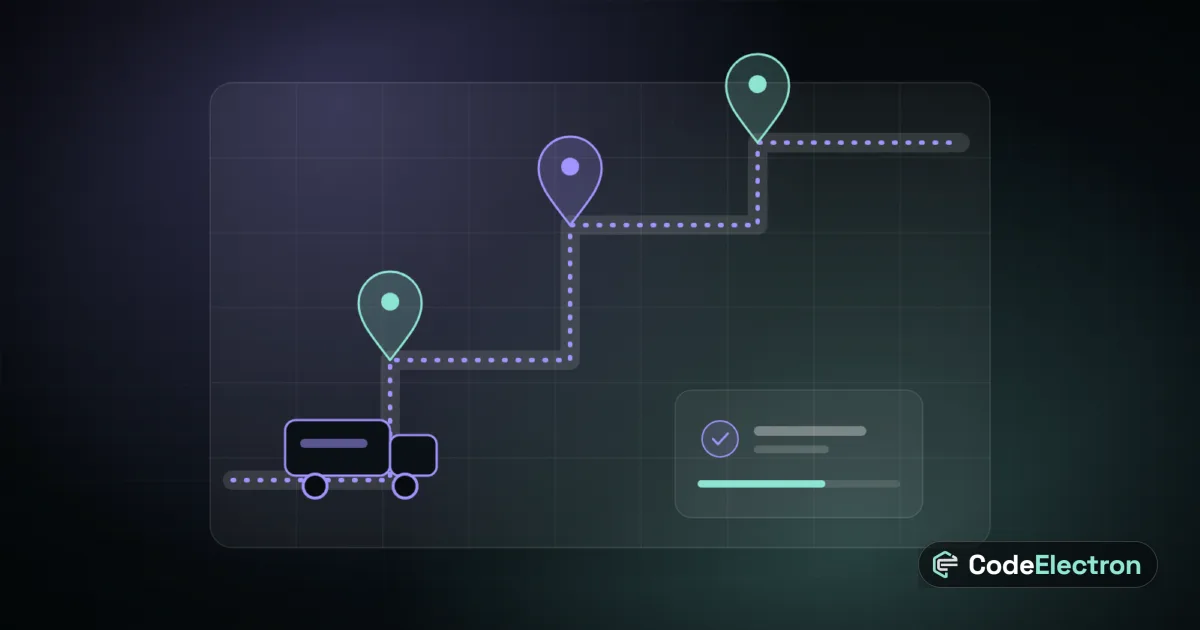
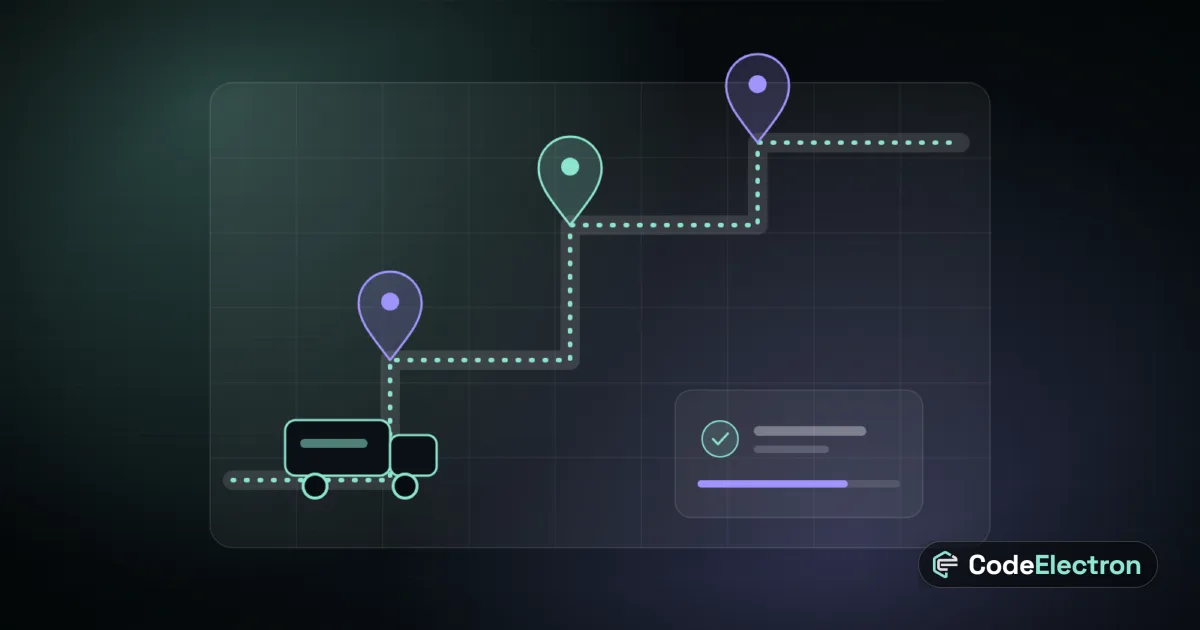
Fleet tracking software collects location and usage data from vehicles and shows it on a map and in reports. For a business with deliveries, field service or transport, it answers practical questions. Where is the van now? Did the delivery arrive when promised? Which routes waste time or fuel? Which vehicle is due for maintenance? The value comes less from the dots on a map and more from the decisions the data supports.
Features that matter
- Live map with vehicle status, speed and last update time.
- Trip history and route replay for disputes and training.
- Geofences that alert you when a vehicle enters or leaves a place such as a customer site or depot.
- Alerts for idling, long stops, off-route driving and device tampering.
- Driver and vehicle records, with licences and documents.
- Maintenance reminders based on distance or time.
- Reports on distance, stops, delays and utilisation.
- Integration with orders, so customers and dispatchers see the same status.
Hardware, app or both
| Option | Strengths | Limits |
|---|---|---|
| GPS device in the vehicle | Works even if the driver forgets their phone; can read vehicle data on some models | Hardware cost, installation and SIM connectivity |
| Driver app on a phone | Low cost, quick to start, can add proof of delivery and chat | Depends on battery, phone settings and driver cooperation |
| Both | Best accuracy and flexibility | Higher cost and more to manage |
Privacy and fairness
Tracking people is sensitive. Be open with drivers about what is collected, when tracking is on and how the data is used. Limit tracking to working hours and business vehicles, restrict who can see it and keep it only as long as needed. Check local labour and data protection rules and, if in doubt, ask a legal adviser. Teams that explain the benefits, such as safer routes, fair dispatch and proof against false complaints, usually get better cooperation than teams that simply install a device.
Costs to plan for
- Devices and installation, if you use hardware.
- Mobile data or SIM plans for each device.
- Software subscription or development cost.
- Training and a short change-management period.
- Ongoing support and replacement of failed devices.
A worked example
A small distribution company with a dozen vans relies on phone calls to find out where drivers are, and customers keep asking for arrival times. It starts with a driver app on company phones, adds geofences at its main customer sites and shares a tracking link with customers for each order. After a month, the dispatcher sees which routes overrun and the team agrees on better sequencing. This is an illustrative scenario, not a client story, but it shows a sensible first step: start with the problem you want to solve, not with the most hardware.
Rolling it out
- 1Define two or three goals, such as on-time delivery, fewer phone calls and lower idle time.
- 2Pilot with a few vehicles and one dispatcher.
- 3Explain to drivers what is tracked and why, and get their feedback.
- 4Set alert thresholds that matter, so people are not buried in noise.
- 5Review reports weekly and share improvements with the team.
- 6Expand to the full fleet once the pilot works.
Next step
Pair tracking with a plan for deliveries in last-mile delivery software, see our logistics systems service and the logistics and transport page, or contact us to scope a tracking system.
Frequently asked questions
Do I need GPS devices or is a driver app enough?
A driver app is a low-cost way to start and also supports proof of delivery. Dedicated devices are more reliable and independent of the phone. Some fleets use both.
Is fleet tracking legal?
Rules vary by country and by how tracking is done. Be transparent with drivers, limit tracking to work use, and check local labour and data rules or ask a legal adviser.
What results can fleet tracking deliver?
Common benefits are better dispatching, fewer lost hours, proof of delivery times and maintenance on schedule. Results depend on acting on the data, not only collecting it.