Key takeaways
- The core of every ERP is the same. In Saudi Arabia the fit is decided by local requirements: e-invoicing with ZATCA, VAT, Arabic documents, payroll and data protection.
- Phase 2 of e-invoicing connects your invoicing system to ZATCA’s Fatoora platform in waves; ZATCA notifies each wave in advance, so ask every vendor how they handle it.
- There are three routes: ready-made cloud accounting, a full ERP platform set up by a partner, or a custom or hybrid system for the work that makes you different.
- Buy what the rules make standard, build what sets you apart, and compare the total cost over several years, not the first invoice.
What makes ERP in Saudi Arabia different
An ERP brings accounting, sales, purchasing, stock and HR into one system. That core is the same everywhere. What decides the fit for a Saudi company is the local layer around it: e-invoicing connected to the Zakat, Tax and Customs Authority (ZATCA), VAT, invoices and reports in Arabic, payroll that follows Saudi rules, and where your data is kept. A system that is excellent elsewhere can still cost you months of workarounds if this layer is weak.
The local checklist
| Requirement | What to ask the vendor |
|---|---|
| E-invoicing, Phase 2 | Phase 2 connects your invoicing system to ZATCA’s Fatoora platform, wave by wave. Is your system connected already, and who handles the onboarding when your wave is announced? |
| VAT | Are the tax codes and VAT returns set up for Saudi rules, and do invoices carry the required fields and the QR code? |
| Arabic | Are invoices, reports and the interface fully in Arabic, with proper right-to-left layouts, and can you print in both languages? |
| Payroll and HR | Does payroll handle GOSI contributions, end-of-service benefits and the wage files for the Wage Protection System? |
| Data | Where is the data hosted, and how does the vendor handle transfers outside the Kingdom under the Personal Data Protection Law? |
| Integrations | Can it connect to your POS, your online store (for example on Salla or Zid), your bank and your payment and delivery providers? |
| Support | Is there Arabic support during your working hours, and who is your local partner if something breaks at month end? |
ZATCA announces each Phase 2 wave in advance and notifies the businesses in it, so check which wave applies to you with your accountant and on ZATCA’s official channels. This guide does not replace that advice.
Three routes, three kinds of company
- Ready-made cloud accounting, such as Qoyod, Daftra or Wafeq: a quick start for small companies with standard processes, priced per subscription. It covers invoicing, VAT and basic stock, but it can be tight once branches, production or special pricing rules arrive.
- A full ERP platform, such as Odoo, Microsoft Dynamics 365 Business Central, SAP Business One or Oracle NetSuite, set up by a partner: broad modules for growing companies. The real cost is licences plus implementation, Saudi localization, training and yearly support.
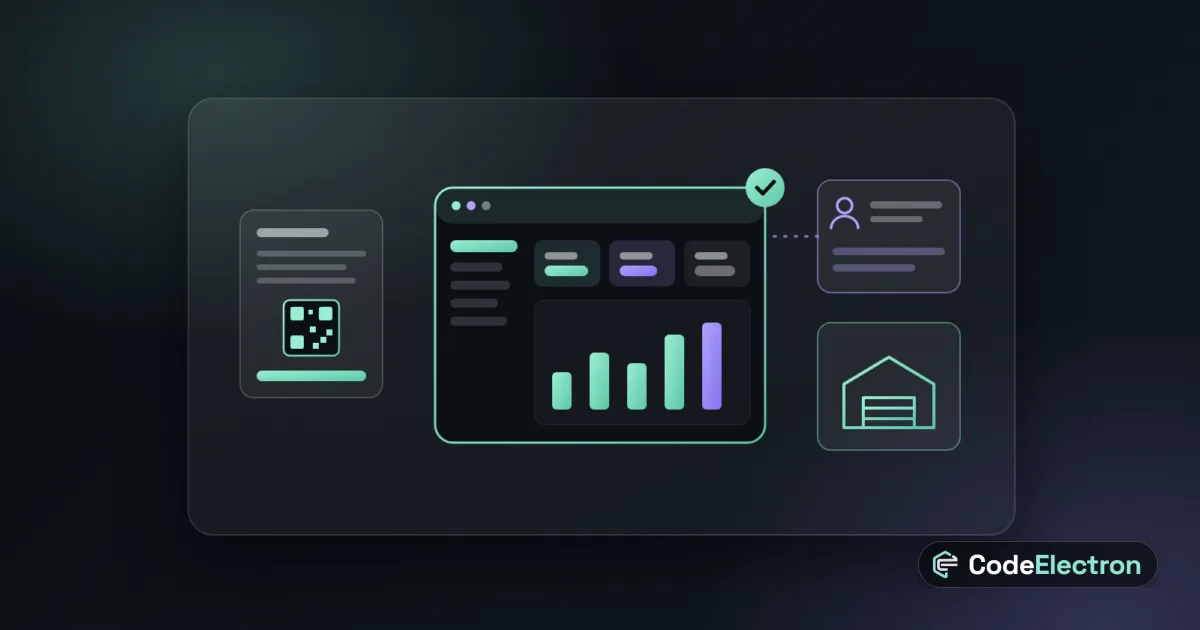
- Custom or hybrid: keep ready-made accounting for what the rules make standard, and build the part that makes you different, such as order taking, production planning, delivery or branch operations, connected through APIs.
The names above are examples you will come across, not recommendations. Ask each one to show e-invoicing, VAT and payroll working with your own data before you sign. For the wider trade-off, see custom ERP vs off-the-shelf.
How to choose without overpaying
- 1Write down your processes and where they hurt: lost stock, late invoices, manual reconciliation, branch reports in spreadsheets.
- 2Mark what must follow the rules: accounting, VAT, e-invoicing and payroll. Buying that part ready-made is usually safer.
- 3Mark what makes you different: how you price, produce, deliver or serve customers. That is where a custom part earns its cost.
- 4Shortlist two or three options and ask for demos with your own items, customers and invoices, not the vendor’s sample data.
- 5Get e-invoicing, payroll and data hosting answers in writing, with the name of the person who will do the setup.
- 6Compare the total cost over several years: licences per user, implementation, changes, support and upgrades.
- 7Plan the data migration and a phased go-live, as in our ERP implementation plan.
A worked example
A distributor with branches in Riyadh and Jeddah keeps stock in spreadsheets and issues invoices from a separate tool. Its sales team takes orders by phone and WhatsApp, and every month end takes days of reconciliation. It moves accounting, VAT and e-invoicing to a ready-made system, and builds a custom order and delivery app for its sales team and drivers, connected to the accounting system so every order becomes an invoice on its own. This is an illustrative scenario, not a client case.
This guide is not tax or legal advice. Confirm the e-invoicing, payroll and data rules that apply to your business with your accountant and the official sources.
Next step
Check whether you need an ERP at all with the free ERP readiness check, see what each ERP module does, read do you need an ERP, explore our ERP and business systems, or contact us to plan the part that should be built for you.
Frequently asked questions
Does my ERP have to connect to ZATCA?
If you issue tax invoices and fall within a Phase 2 wave, the system that issues your e-invoices must be connected to ZATCA’s Fatoora platform. ZATCA notifies each wave in advance; confirm your wave and obligations with your accountant.
Is Odoo a good choice for a Saudi company?
It can be. It depends on the version, the Saudi localization your partner sets up and how well your processes fit its standard flows. Ask the partner to show e-invoicing, VAT and payroll working with your own data.
Should a small company start with accounting software instead of an ERP?
Often yes. If your processes are simple, ready-made cloud accounting with e-invoicing is enough. Move to an ERP or add a custom part when branches, stock, production or special pricing make spreadsheets the bottleneck.
Can a team outside Saudi Arabia build or set up our ERP?
Yes, if they have real experience with Saudi e-invoicing, VAT and Arabic documents. Check references, data hosting, support hours that overlap with yours, and a clear contract with stages and handover.